
What Musicians Can Learn From the Pros: What if Your Merch Table Wasn’t the End Product—But the Beginning?
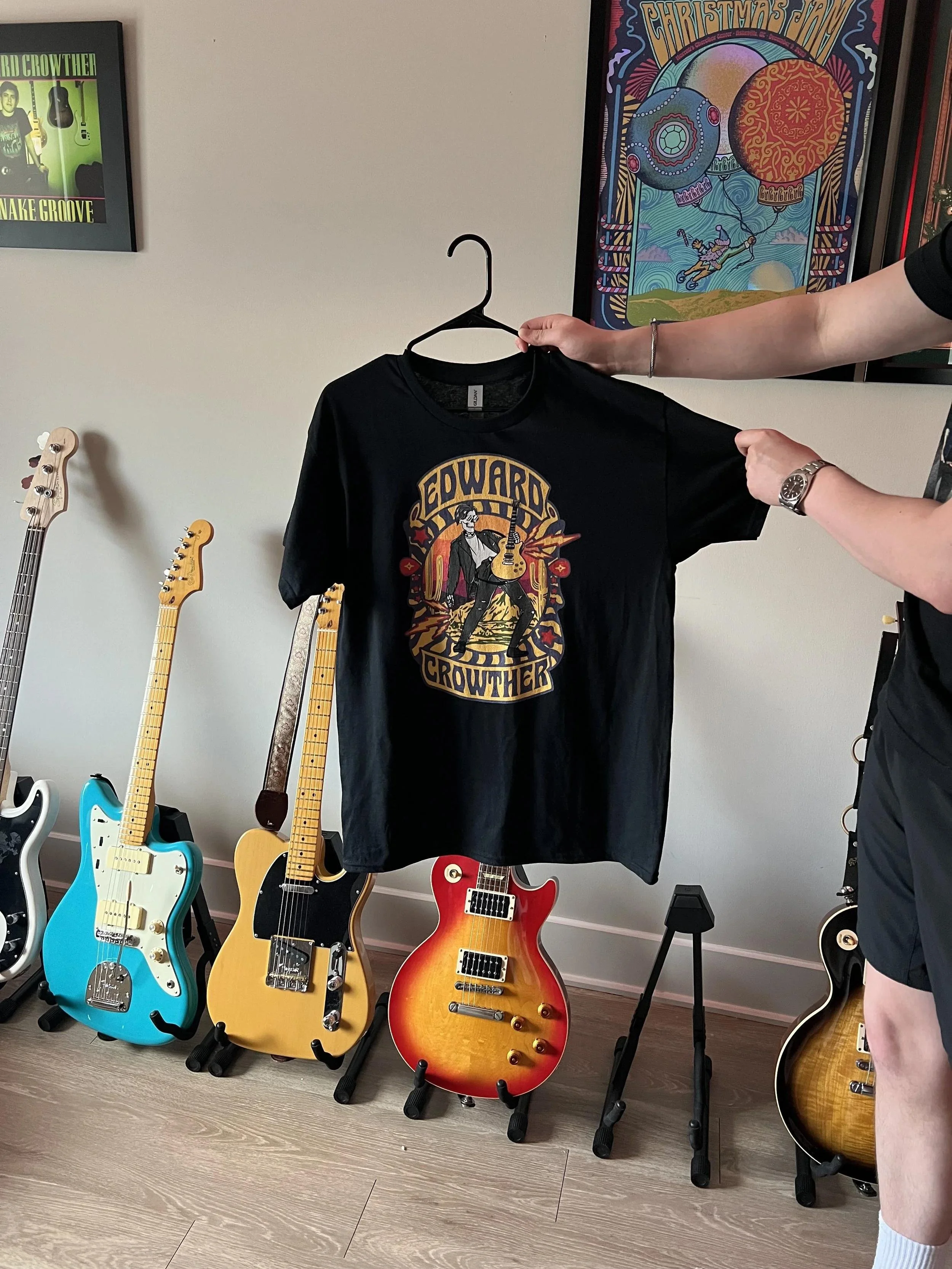
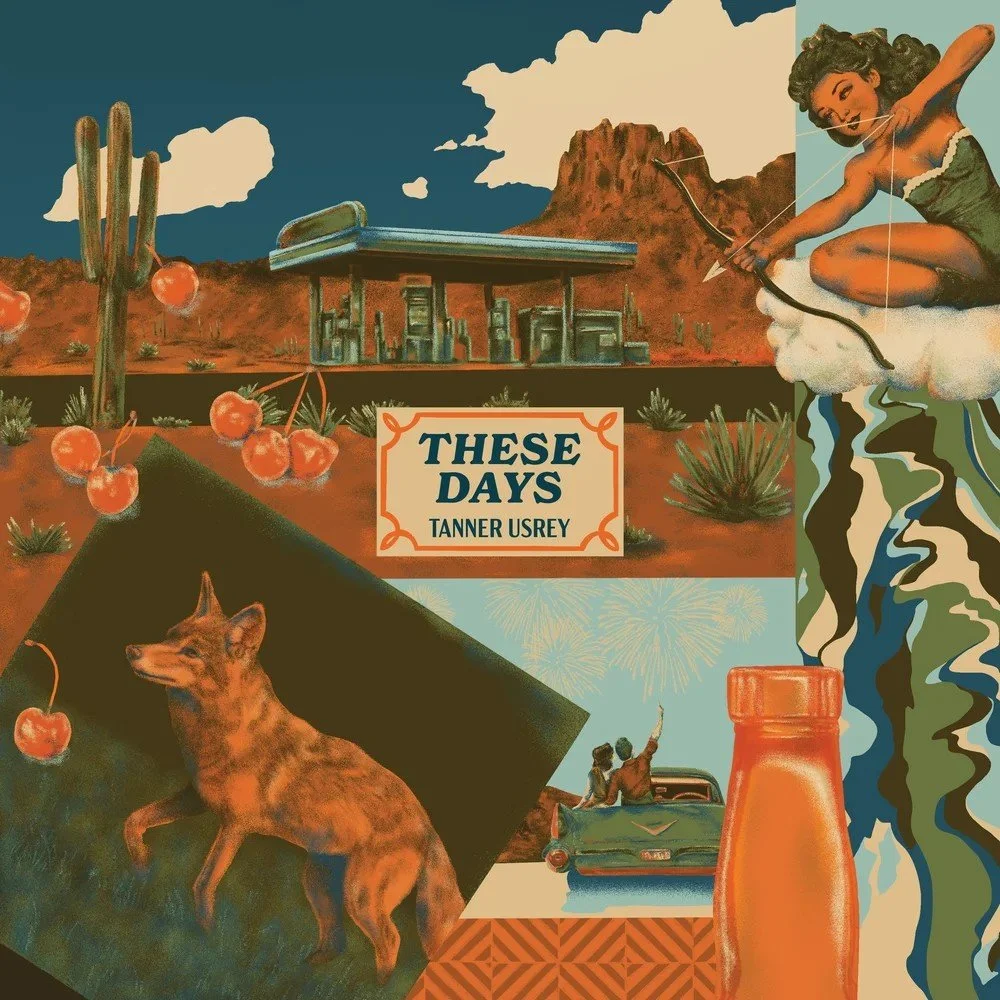
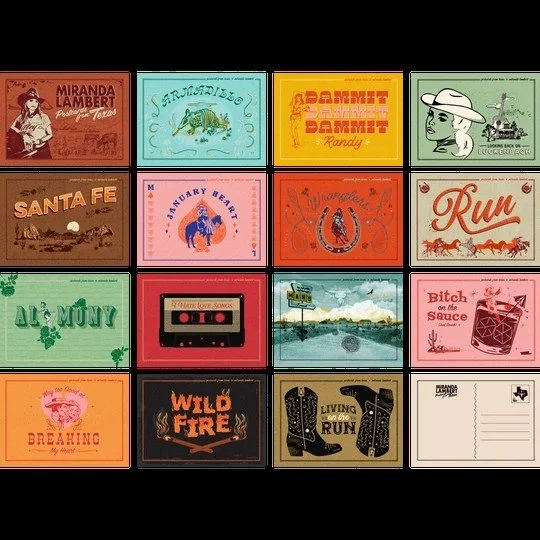
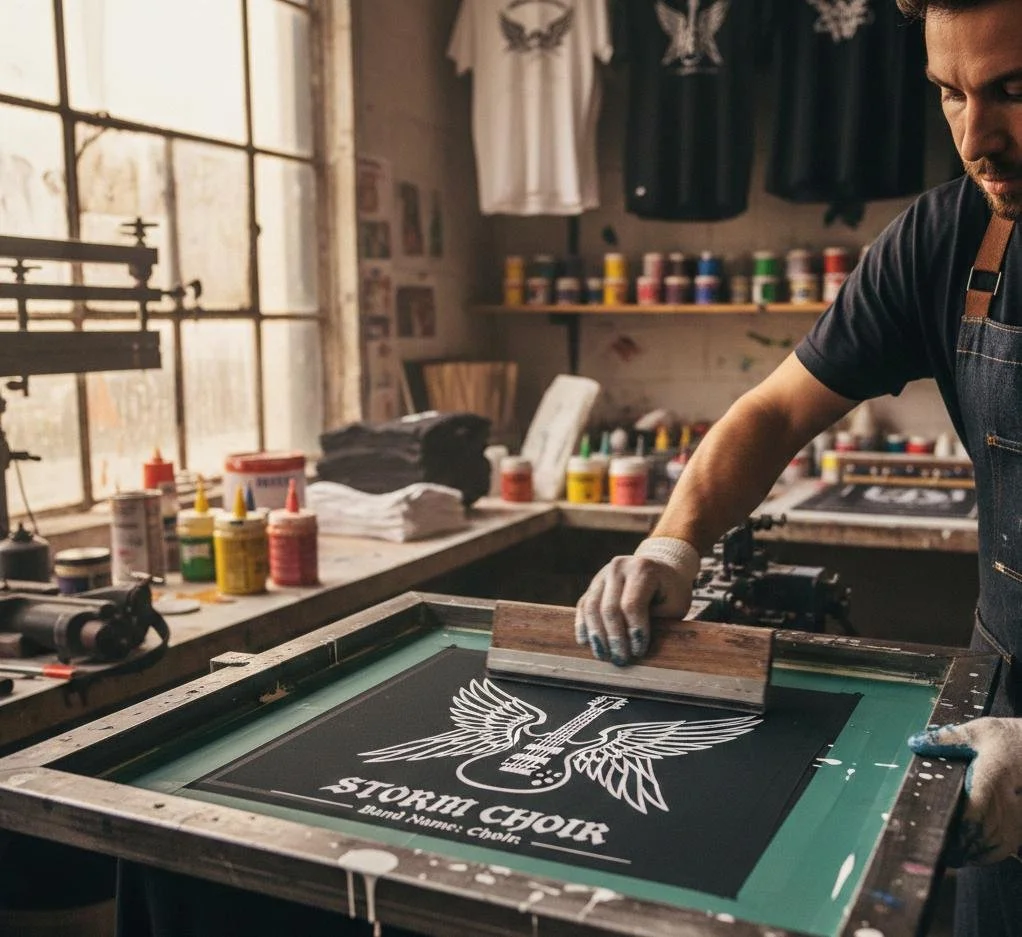
Branding. Design. Merchandise. Fan loyalty. Revenue. See what’s possible when musicians start thinking beyond the T-shirt.
For independent musicians, merchandise is often treated as something extra: print some shirts, bring them to the gig, sell what you can and pack up the rest.
But the most successful artist brands approach merchandise very differently.
A T-shirt can introduce a visual identity. A visual identity can create a recognizable brand. A recognizable brand can build fan loyalty. And that relationship can eventually support apparel, collectibles, collaborations, licensing, premium products, retail experiences and entirely new revenue streams.
That’s exactly what we’ll explore at ATXM’s upcoming FREE Music Industry Master Class:
Beyond the Stage: Build a Brand That Creates Revenue
📅 Monday, September 14, 2026
📍 Jones Auditorium | St. Edward’s University
🚪 Doors: 2:30 PM
🎓 Master Class: 3:00–5:00 PM
🎶 Networking Reception: 5:15–7:00 PM | Kozmetsky Center Oak Garden at the Carriage House
🎟️ FREE + Open to the Public | RSVP Required
⚡ Limited to 300 guests
And the people joining us aren't just going to talk about it. They've done it.
CASE STUDY #1: From Artist Merch to an Entire Brand Ecosystem
Bev Lambert + Miranda Lambert
We’re thrilled to welcome a very special guest from country music royalty: Bev Lambert, mother of country superstar Miranda Lambert.
Long before Miranda became one of country music’s biggest stars, Bev was working alongside her daughter behind the scenes—helping with booking, fan club operations, merchandise, and retail as Miranda’s career grew.
That experience provides an extraordinary example of what can happen when an artist begins thinking about merchandise as part of a much larger relationship with fans.
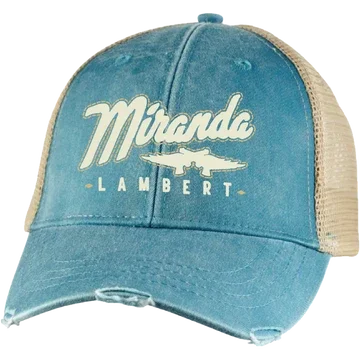
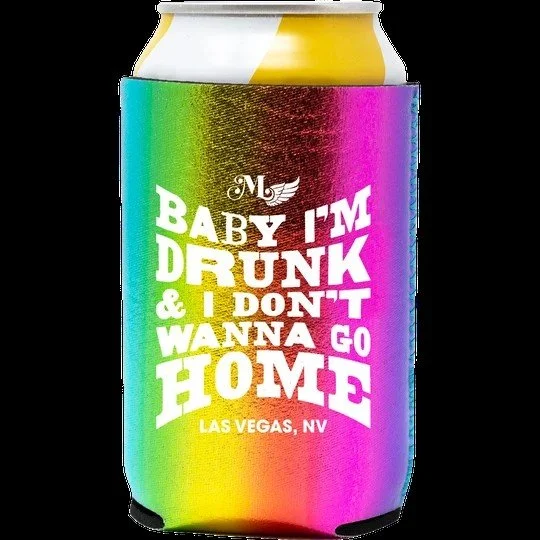
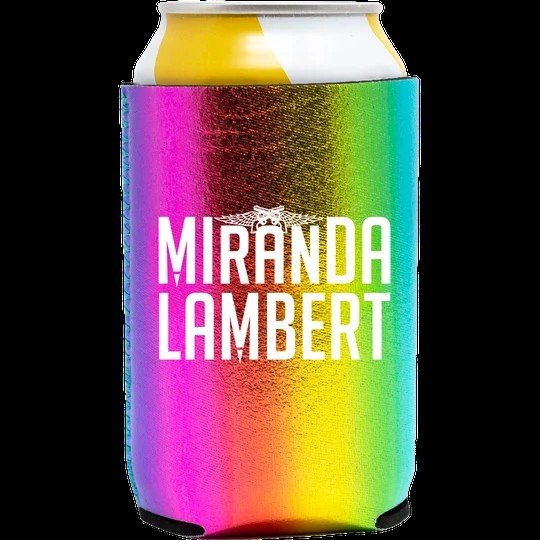
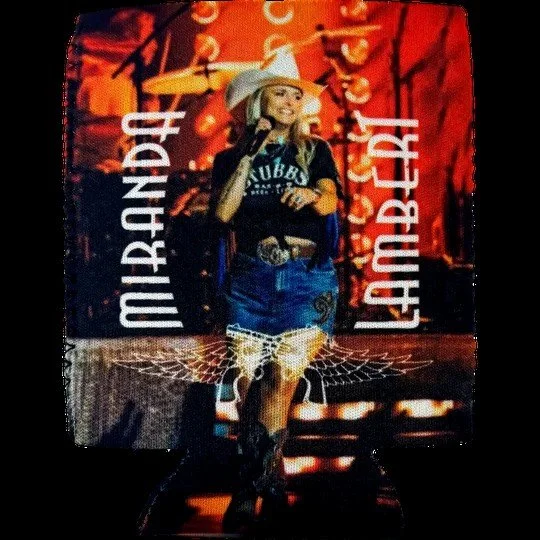
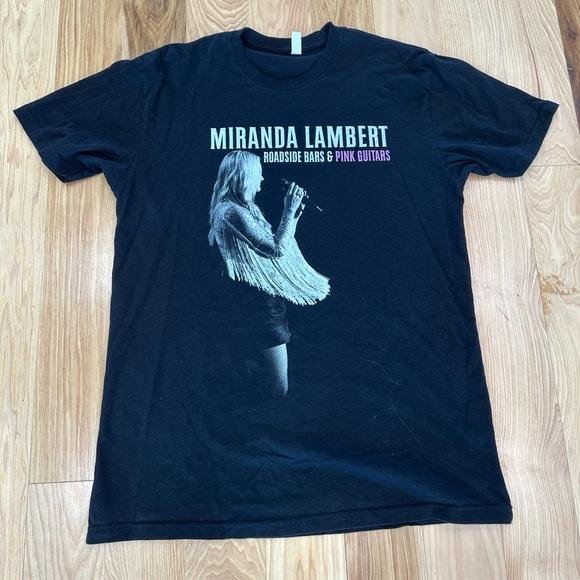
Today, Miranda Lambert’s official store extends well beyond the traditional concert tee. Current offerings span album-specific apparel, tour merchandise, hats, totes, collectibles, music, and fan-club exclusives. The official Ran Fans program adds another layer through exclusive merchandise, content, experiences, and ticket access.
The lesson for independent artists isn't that everyone needs to build a national retail operation.
It's this:
Understand what your fans connect with—and give them meaningful ways to become part of your world.
That might start with a $30 T-shirt.
But it doesn't necessarily have to end there.
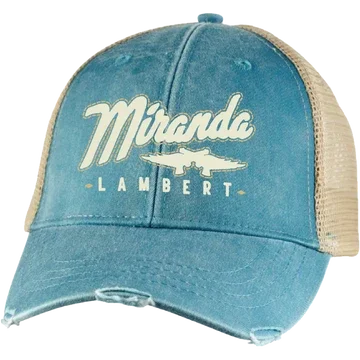
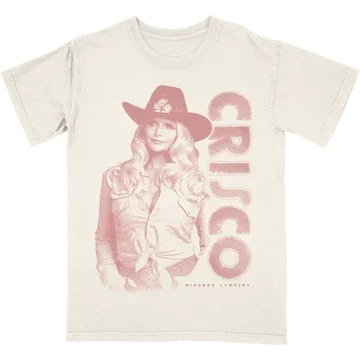
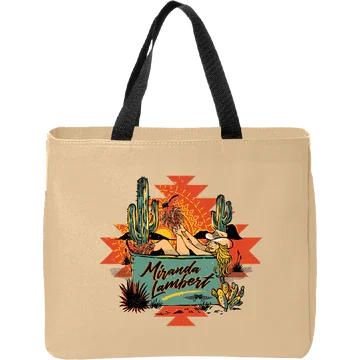
From tour apparel to hats, accessories, collectibles, and fan exclusives, the Miranda Lambert brand demonstrates how merchandise can extend an artist’s identity far beyond the stage.
CASE STUDY #2: When the Merchandise Becomes the Art
Scott Friedeck + The Graphic Guitar Guys
What if your most memorable piece of merchandise wasn’t a T-shirt at all?
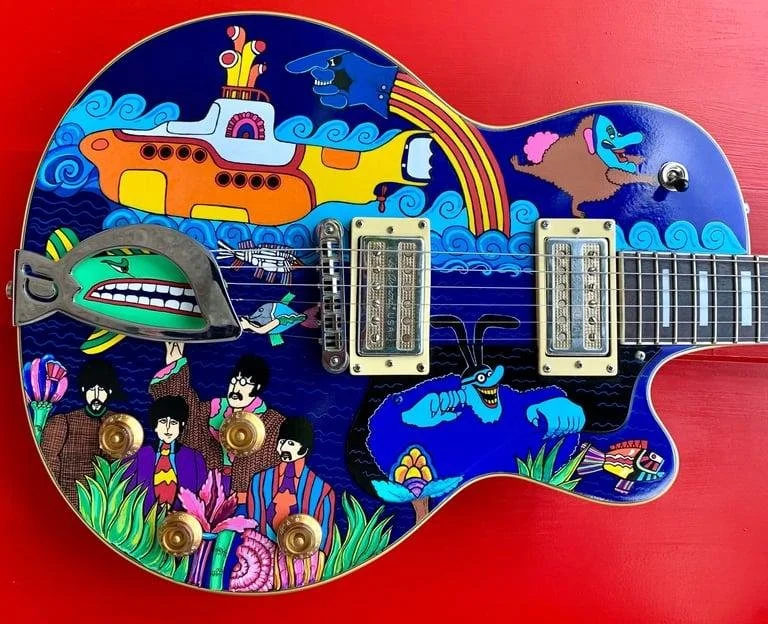
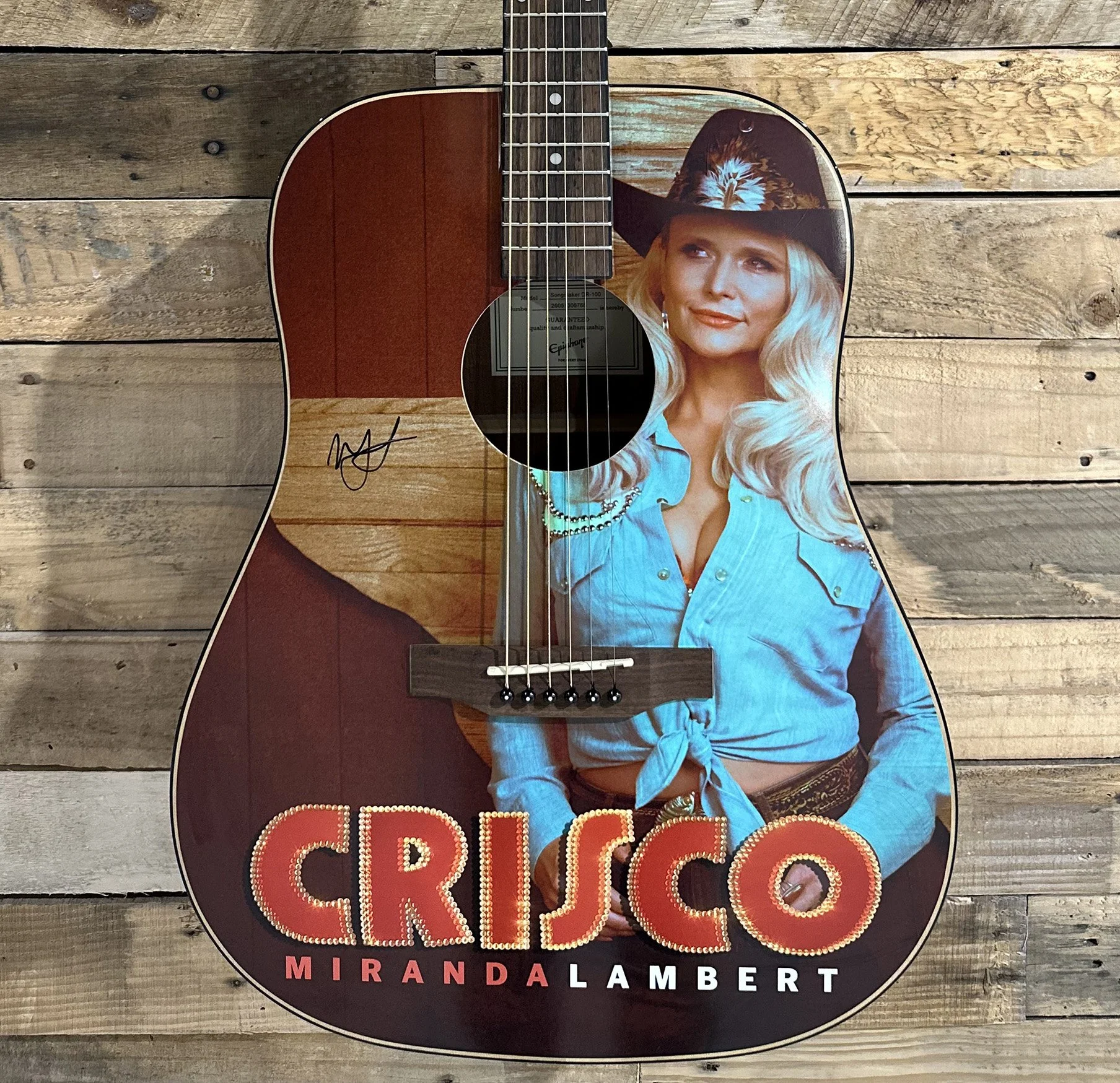
Scott Friedeck, CEO of The Graphic Guitar Guys, has built a business around transforming one of music’s most iconic objects—the guitar—into a powerful canvas for art, branding, storytelling and connection.
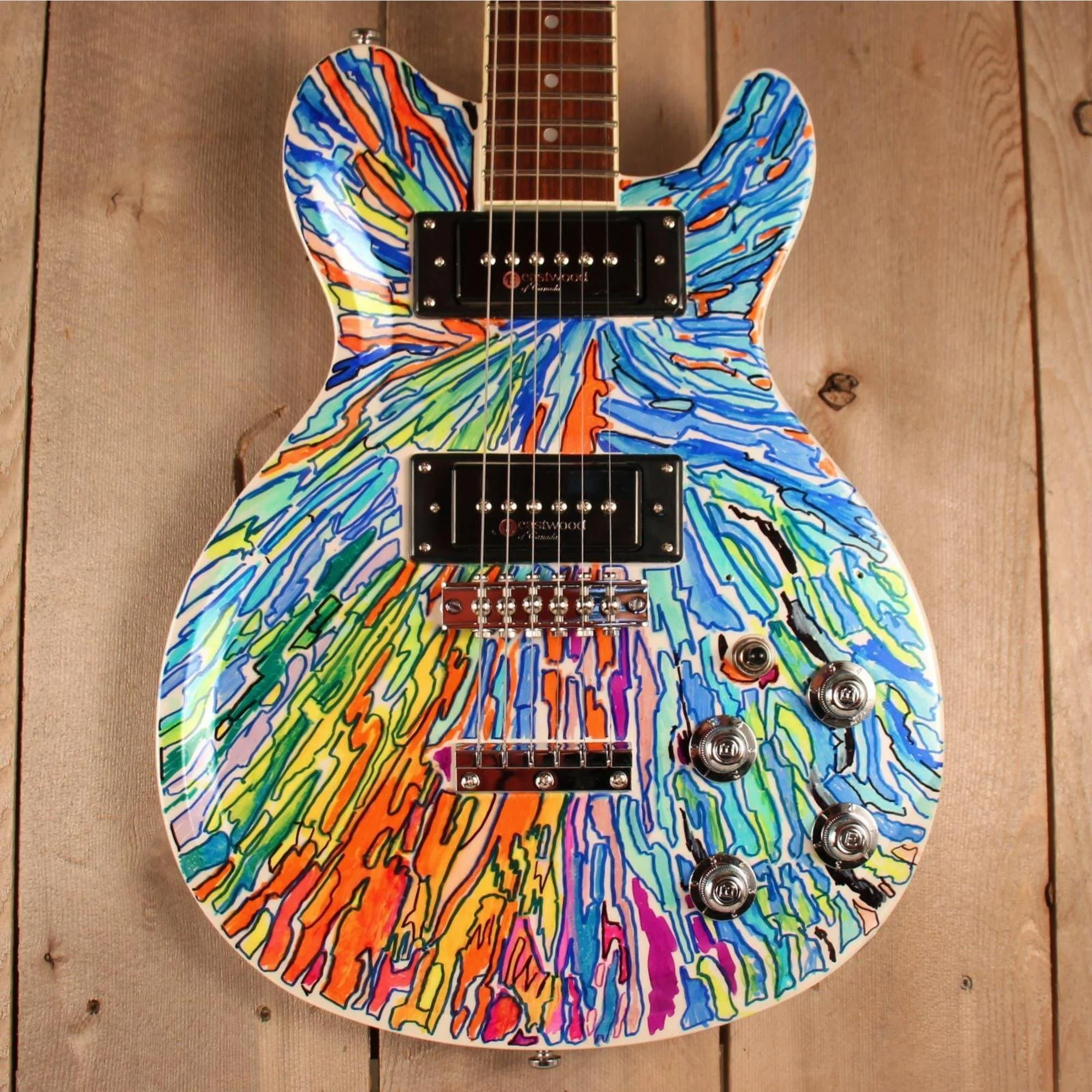
The Graphic Guitar Guys create custom graphic guitars for artists, brands, events and special projects. Instead of simply placing a logo on a promotional item, they turn the guitar itself into a premium, highly visual product that can become a collectible, commemorative piece, promotional centerpiece, fan experience or fundraising opportunity.
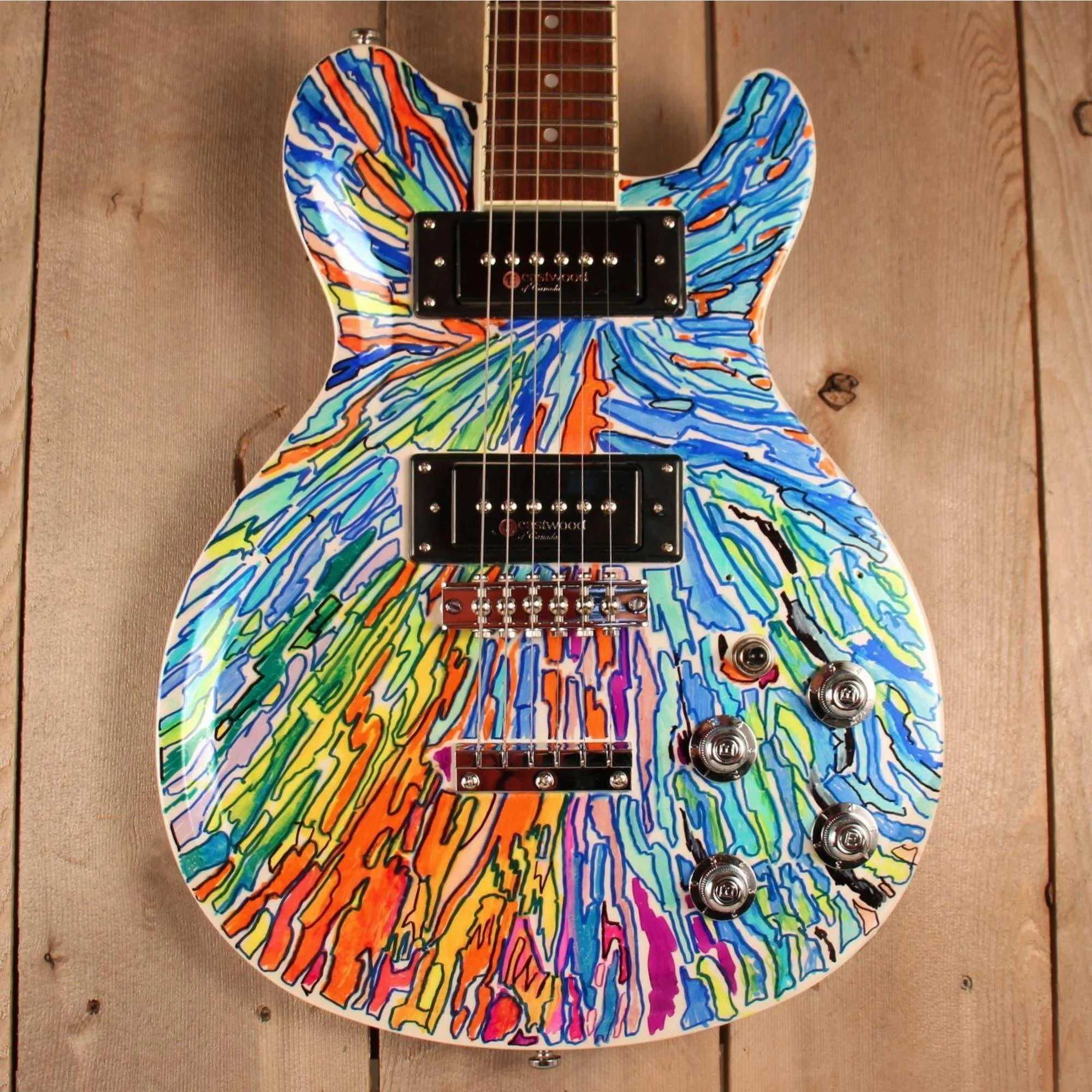
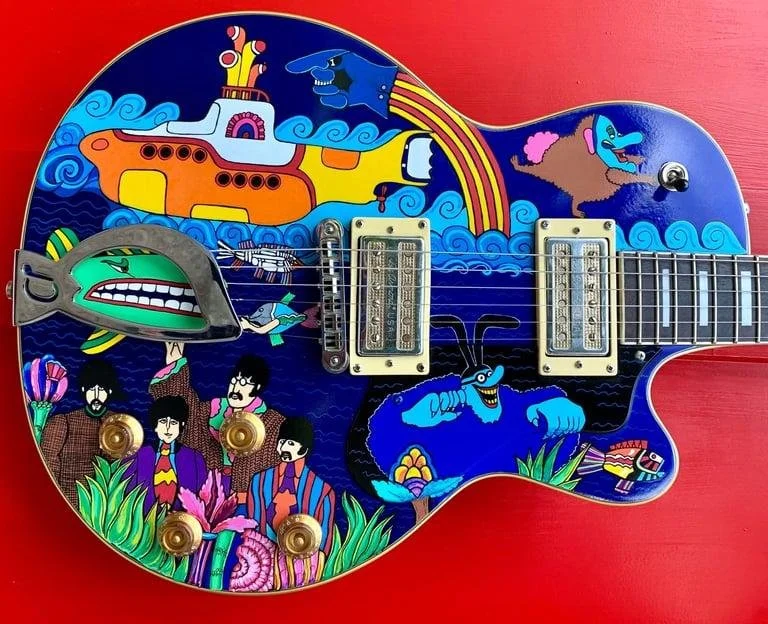
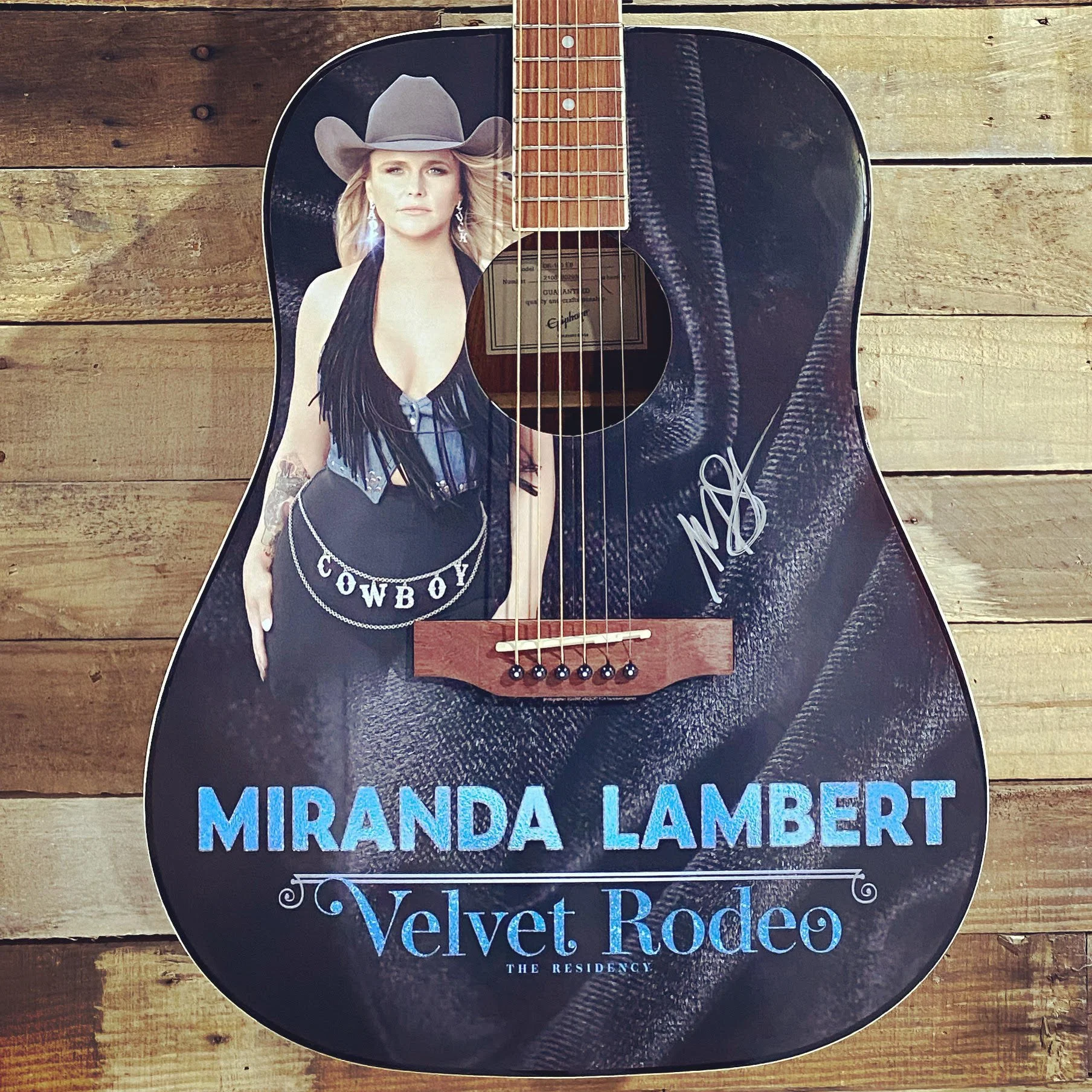
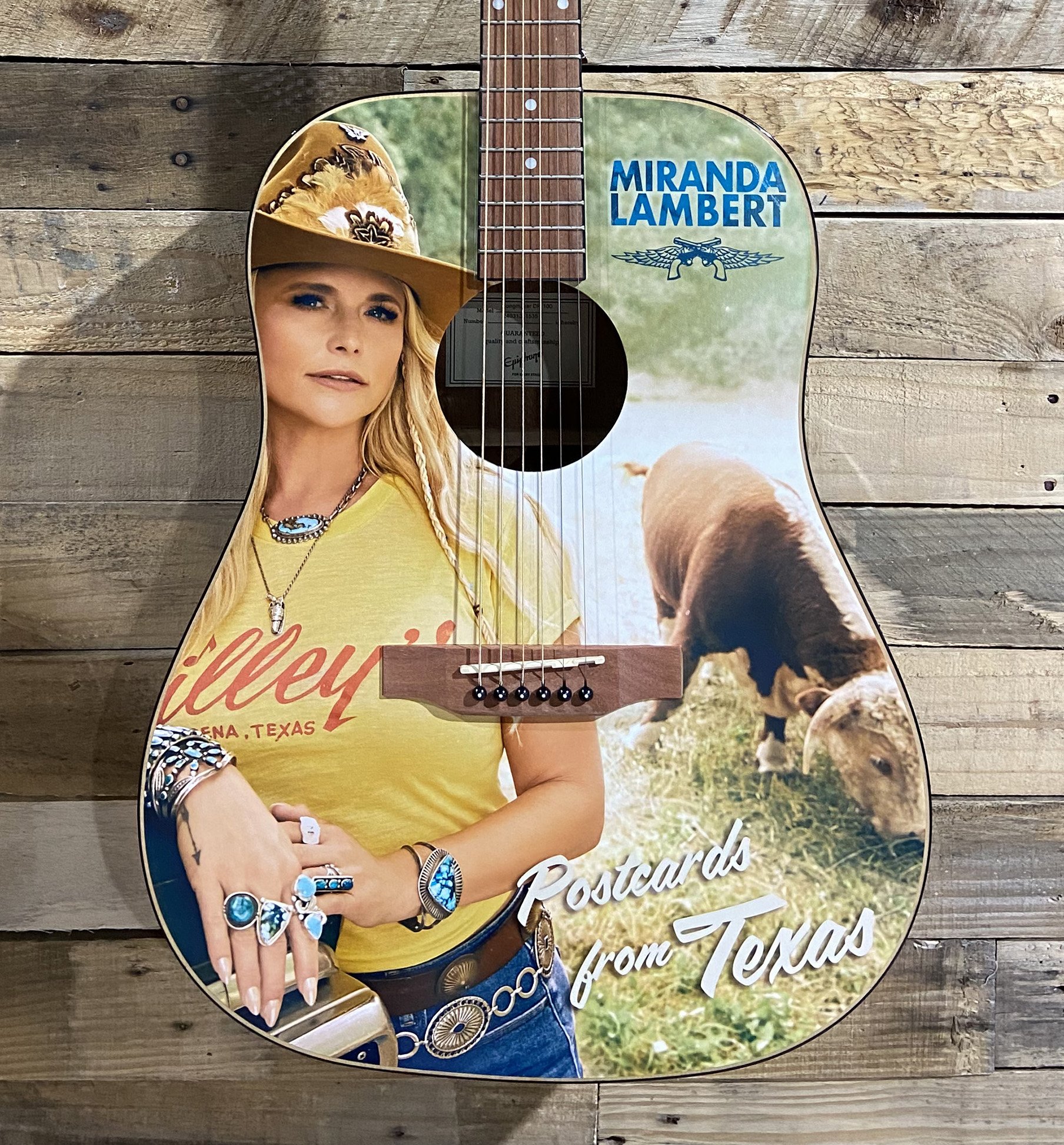
When merchandise becomes art. Scott Friedeck and The Graphic Guitar Guys transform guitars into distinctive visual experiences for artists, brands, and events—showing musicians how creativity can move beyond traditional merch into premium products, collectibles, and new opportunities.
From Instrument → Canvas → Experience → Value
Scott’s work illustrates an important lesson for musicians:
Merchandise doesn’t have to be limited to what fits on a merch table.
An artist’s songs, album artwork, imagery, tour identity and story can inspire products with greater emotional and perceived value—particularly when scarcity, personalization and great design are part of the experience.
For musicians, that opens the door to thinking differently about:
Limited-edition products. Artist collaborations. VIP experiences. Signed collectibles. Album and tour commemoratives. Fan-club exclusives. Brand partnerships. Charity and fundraising pieces.
The opportunity is to ask a bigger question than “What merch should I sell?”
What could I create that only my brand could create?
Scott will bring that entrepreneurial perspective to the Sept. 14 Master Class, showing how creative thinking, distinctive products and strong branding can turn an unexpected idea into an entirely new revenue opportunity.
CASE STUDY #3: Before You Make the T-Shirt, Build the Brand
Dorothy Nottingham + Baby Snakes Creative
Here's where the process gets especially interesting.
Before you manufacture the merchandise, what are you actually putting on it?
Designer Dorothy Nottingham of Baby Snakes Creative brings the visual-branding perspective to our panel—and her portfolio provides a fantastic example of how a visual identity can become an entire fan experience.
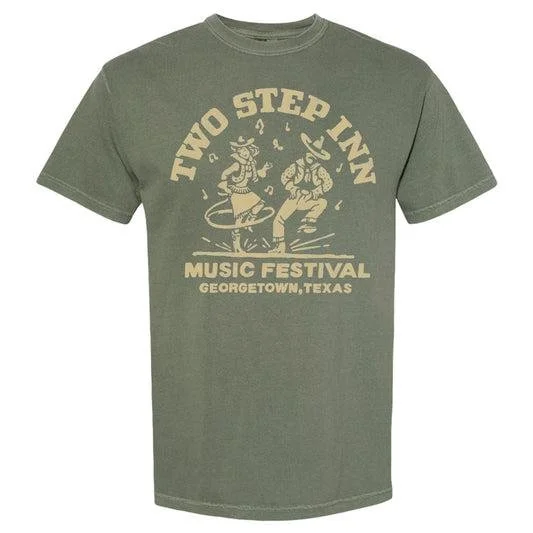
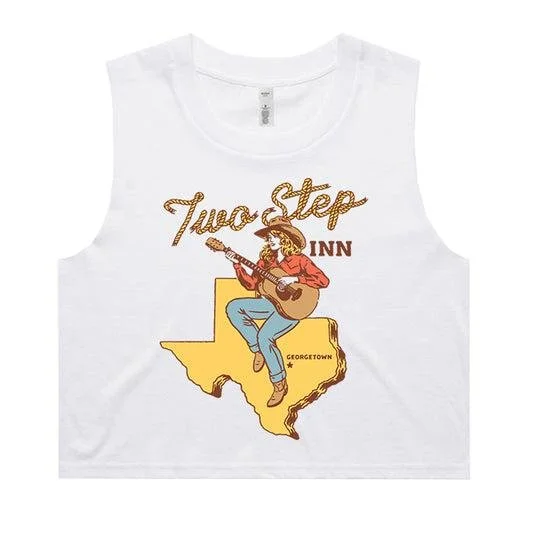
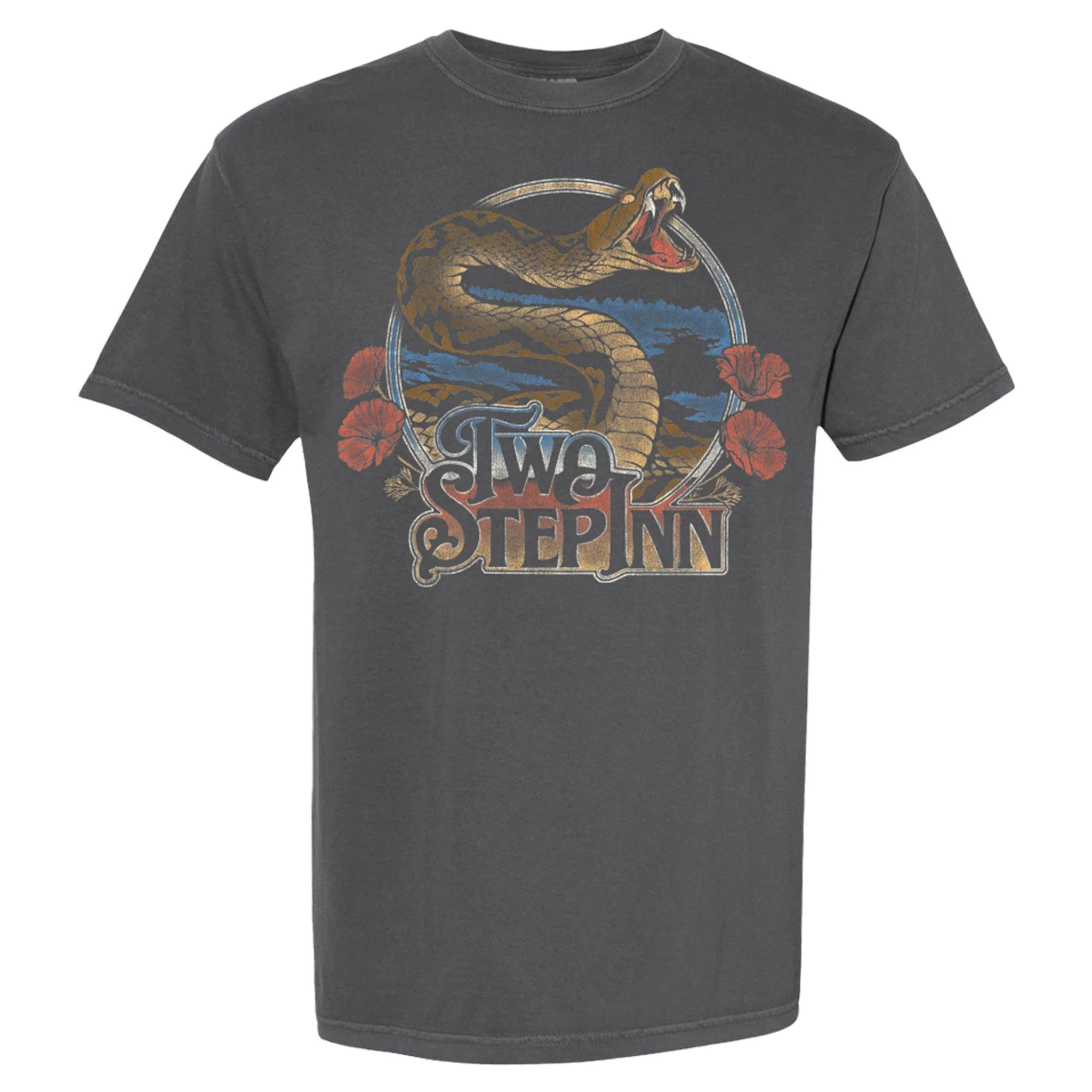
For Two Step Inn, Dorothy was brought in to develop the country music festival's identity from the ground up.
She created a flexible visual system of colors, illustrations and patterns inspired by Central Texas and Georgetown. Those individual elements were designed to work independently or combine into a larger visual world.
And then that world moved off the computer screen.
It became signage.
Festival environments.
Posters.
Experiences.
And, importantly for our conversation, merchandise.
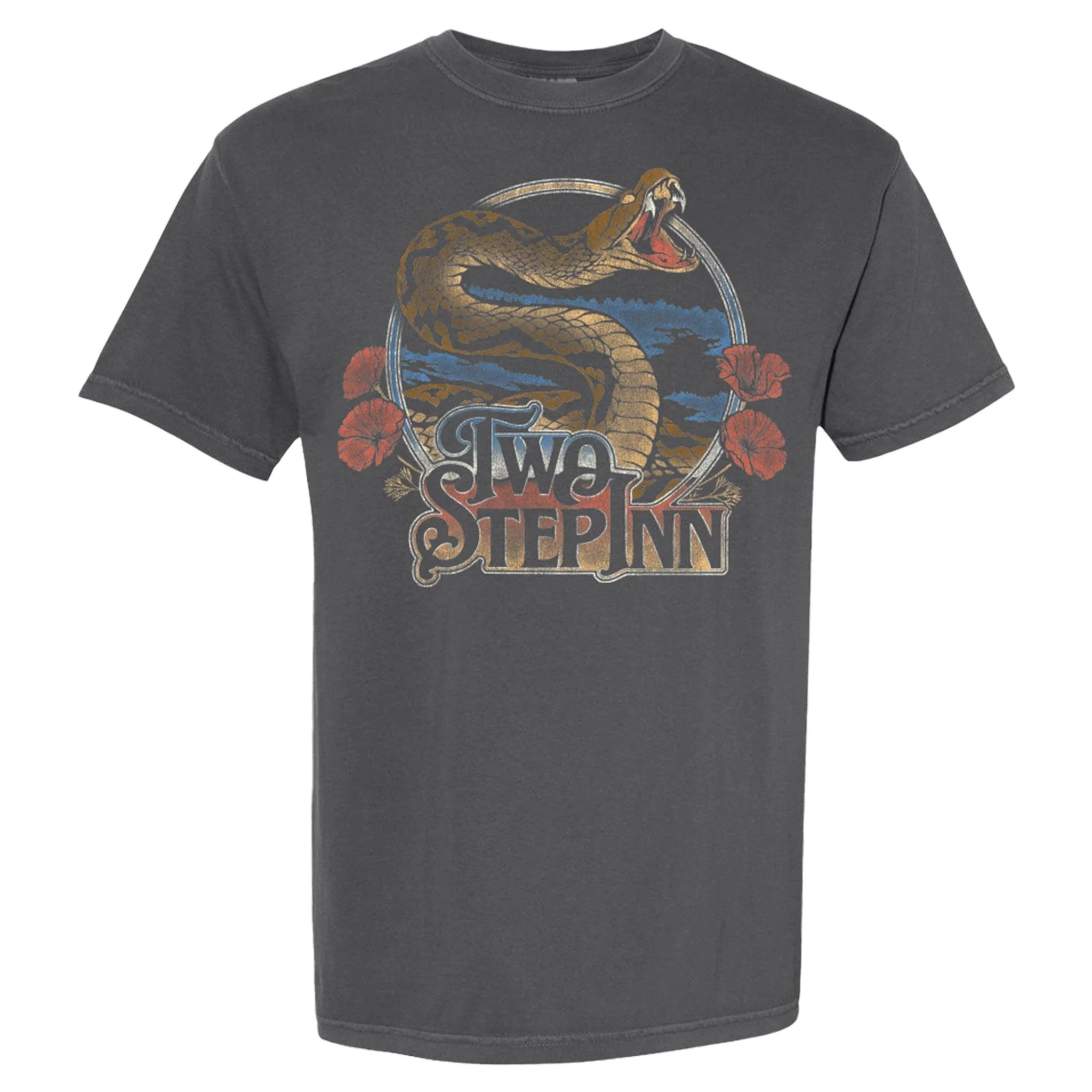
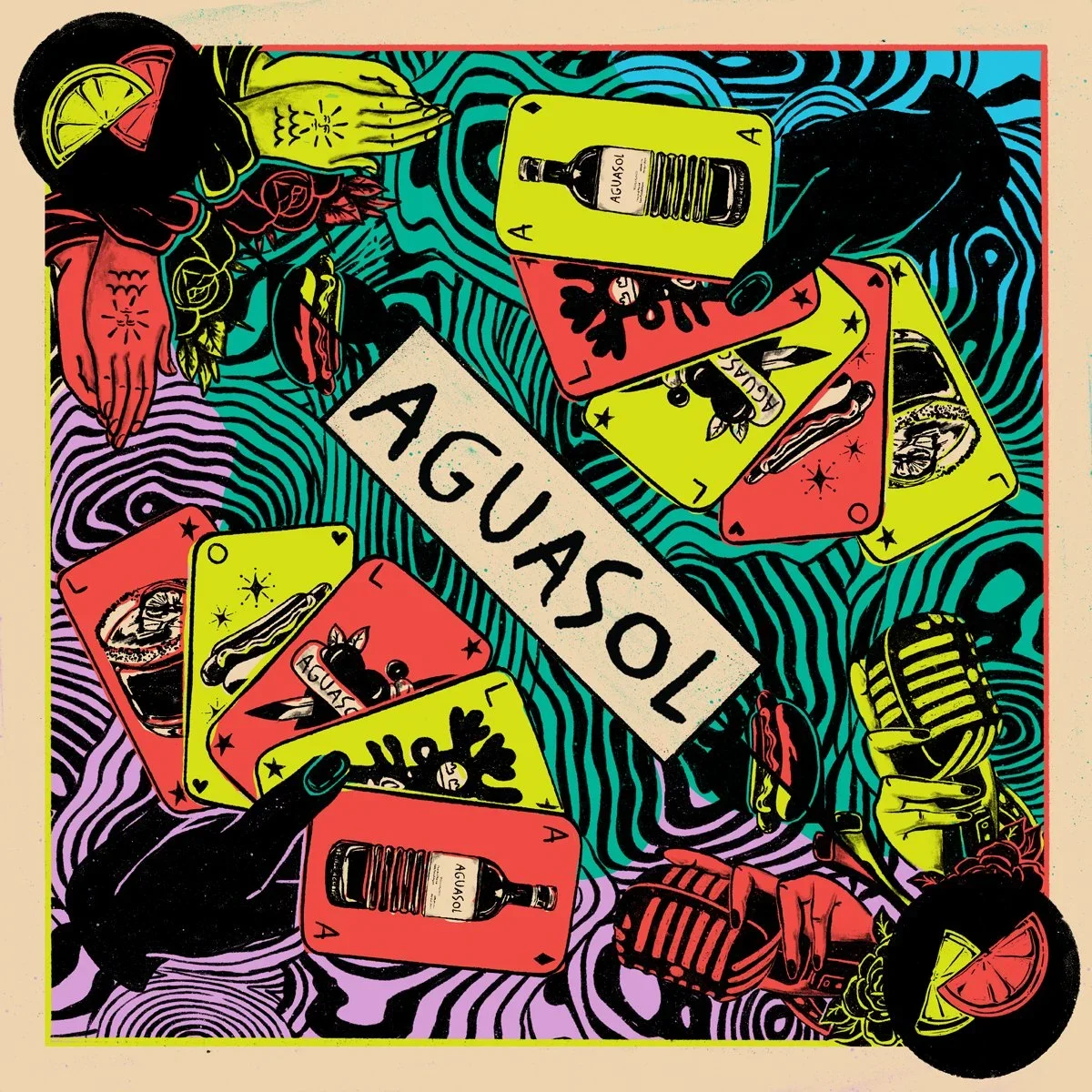
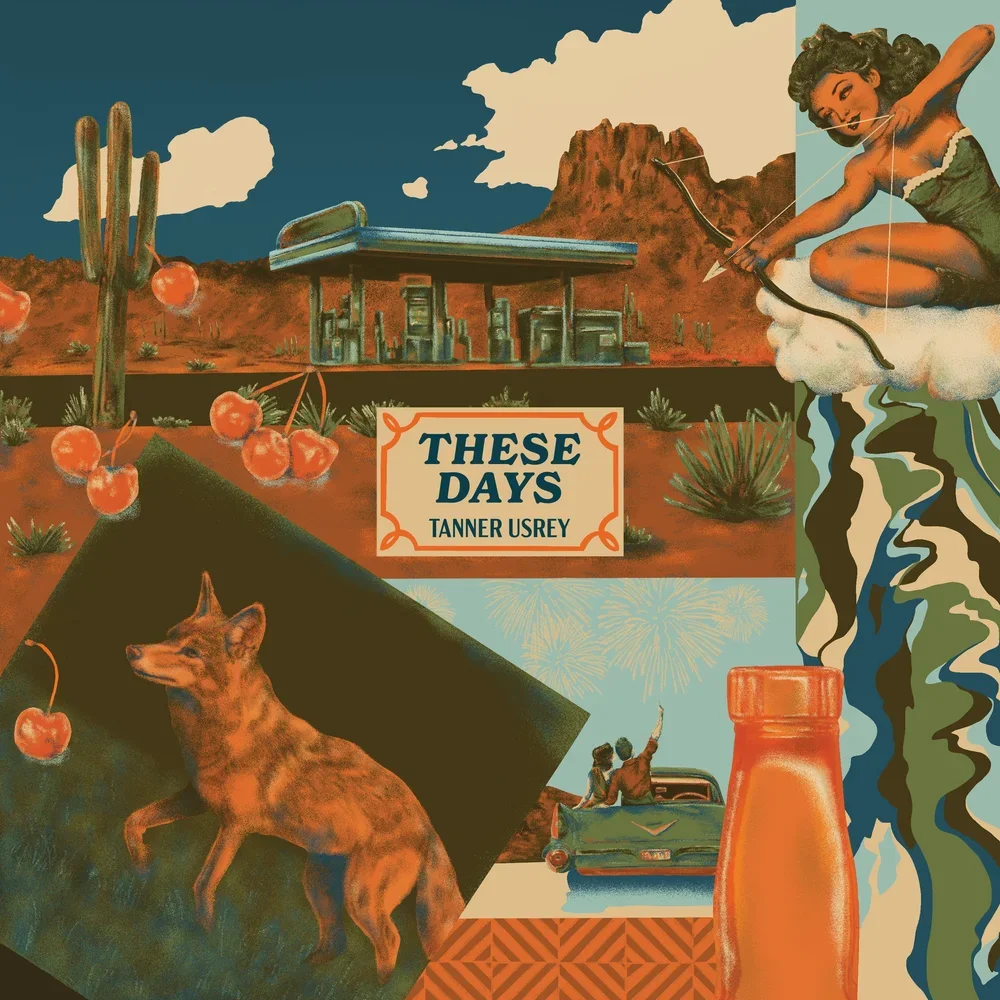
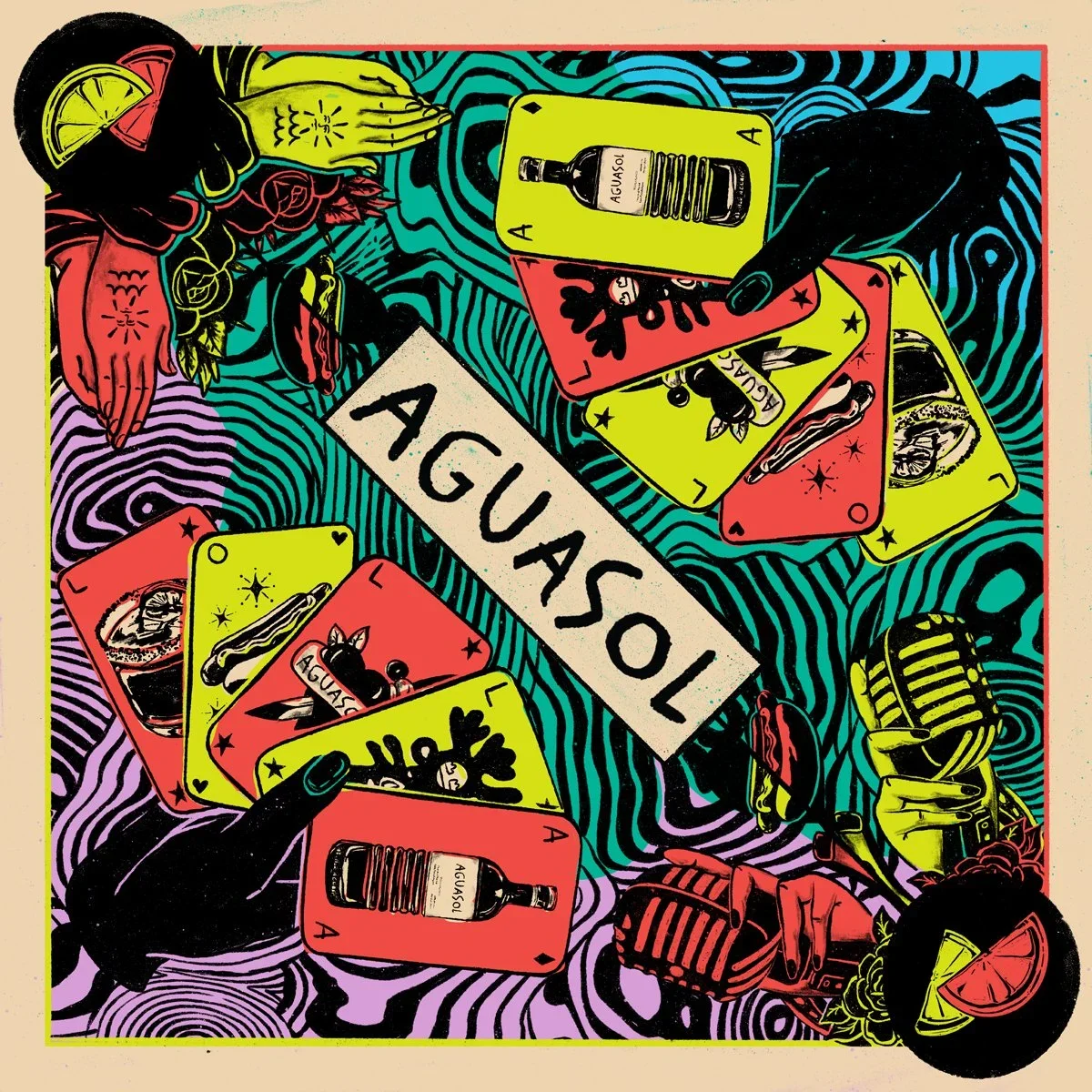
From illustration to identity. Dorothy's Aguasol work demonstrates how a strong visual identity can translate into distinctive, collectible event merchandise.
From Illustration → Brand → Merchandise
This is exactly the progression independent artists should pay attention to.
Don't start by asking:
“What should we put on a T-shirt?”
Start by asking:
“What does our world look and feel like?”
Once that visual language exists, merchandise becomes one expression of the larger artist brand.
CASE STUDY #4: Great Merch Needs a Business Behind It
Clint Avants + C.C. Creations
The idea is only the beginning.
Someone has to turn that idea into a product.
Clint Avants, Senior Account Executive at C.C. Creations, joins us to explore what happens between the design file and the merch table.
C.C. Creations has grown from a small Texas screen-printing operation founded in 1982 into one of the country's largest custom apparel and promotional-product companies. Its current 210,000-square-foot production facility includes 27 automatic screen-printing machines and 159 embroidery heads.
And this isn't simply corporate apparel.
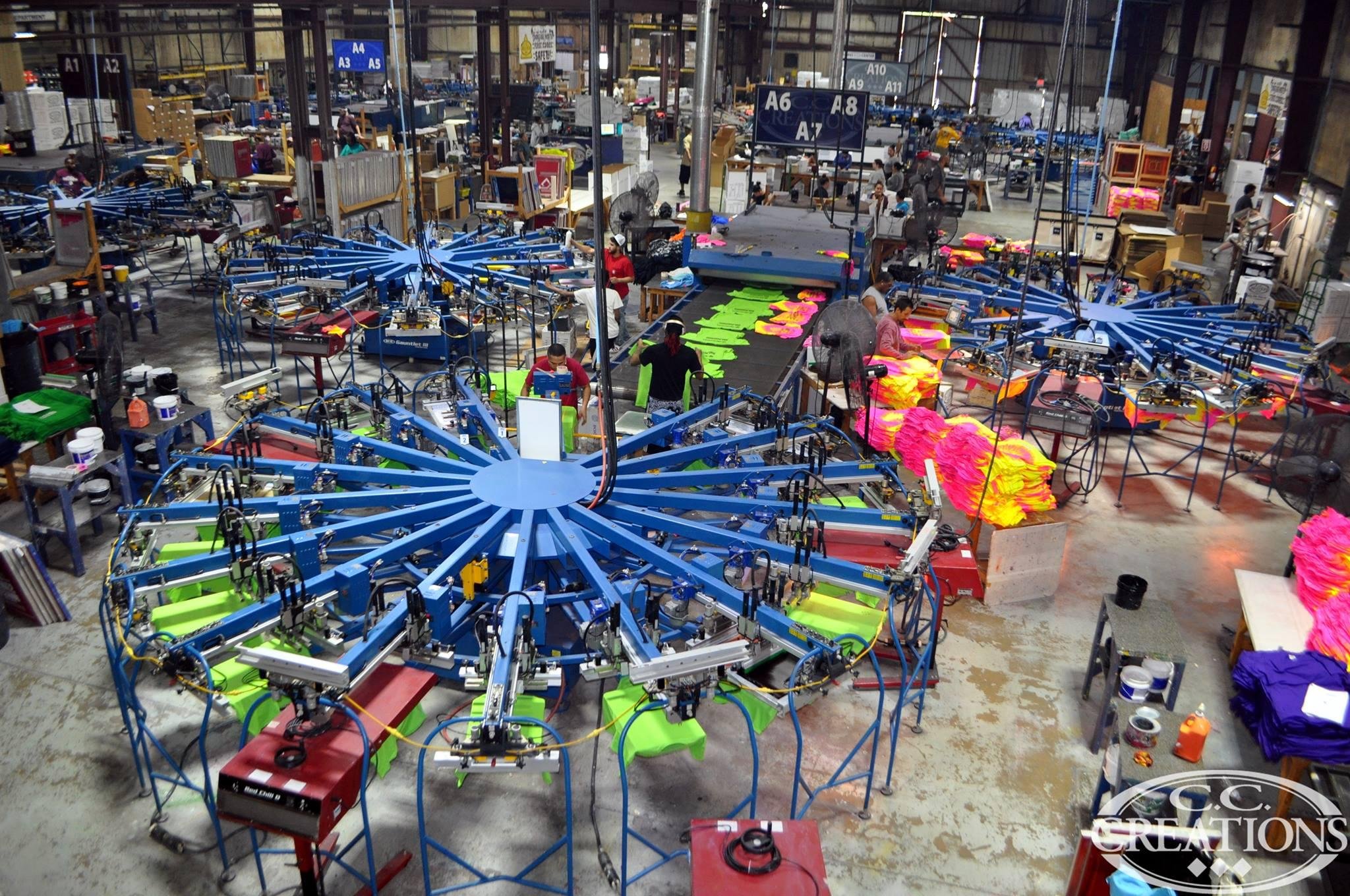
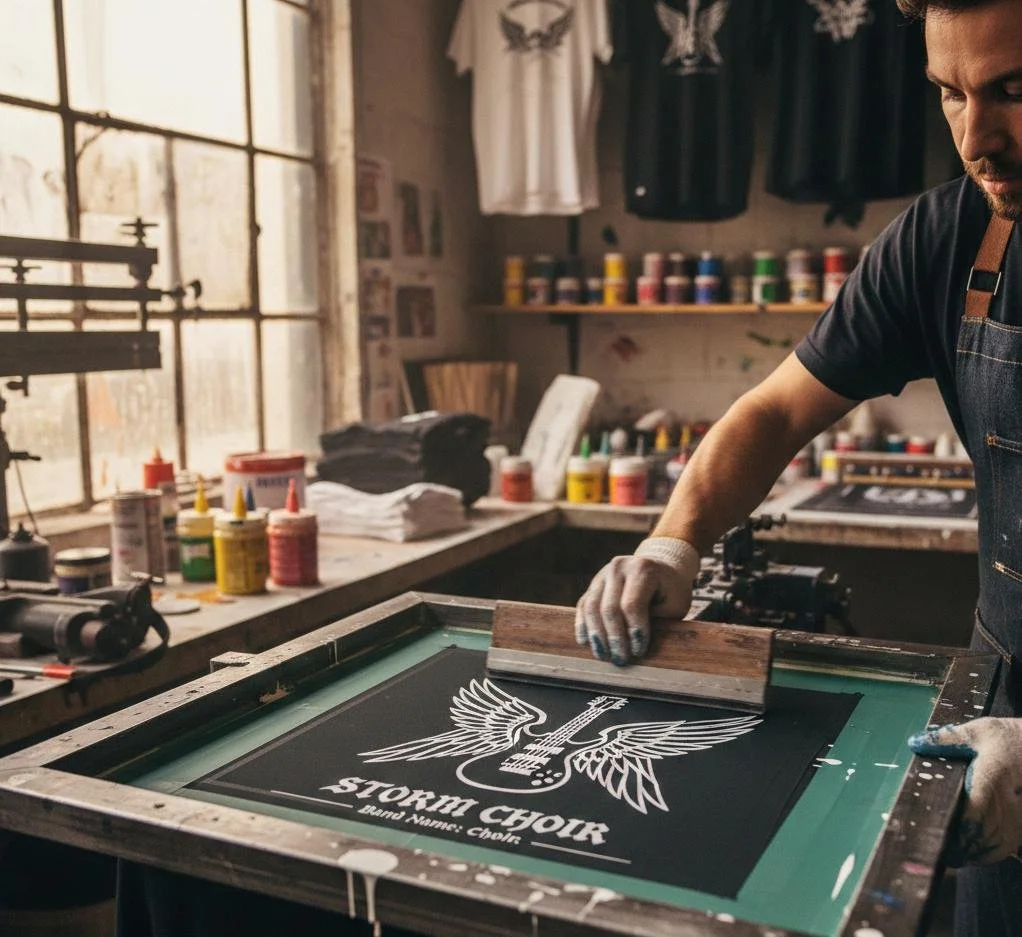
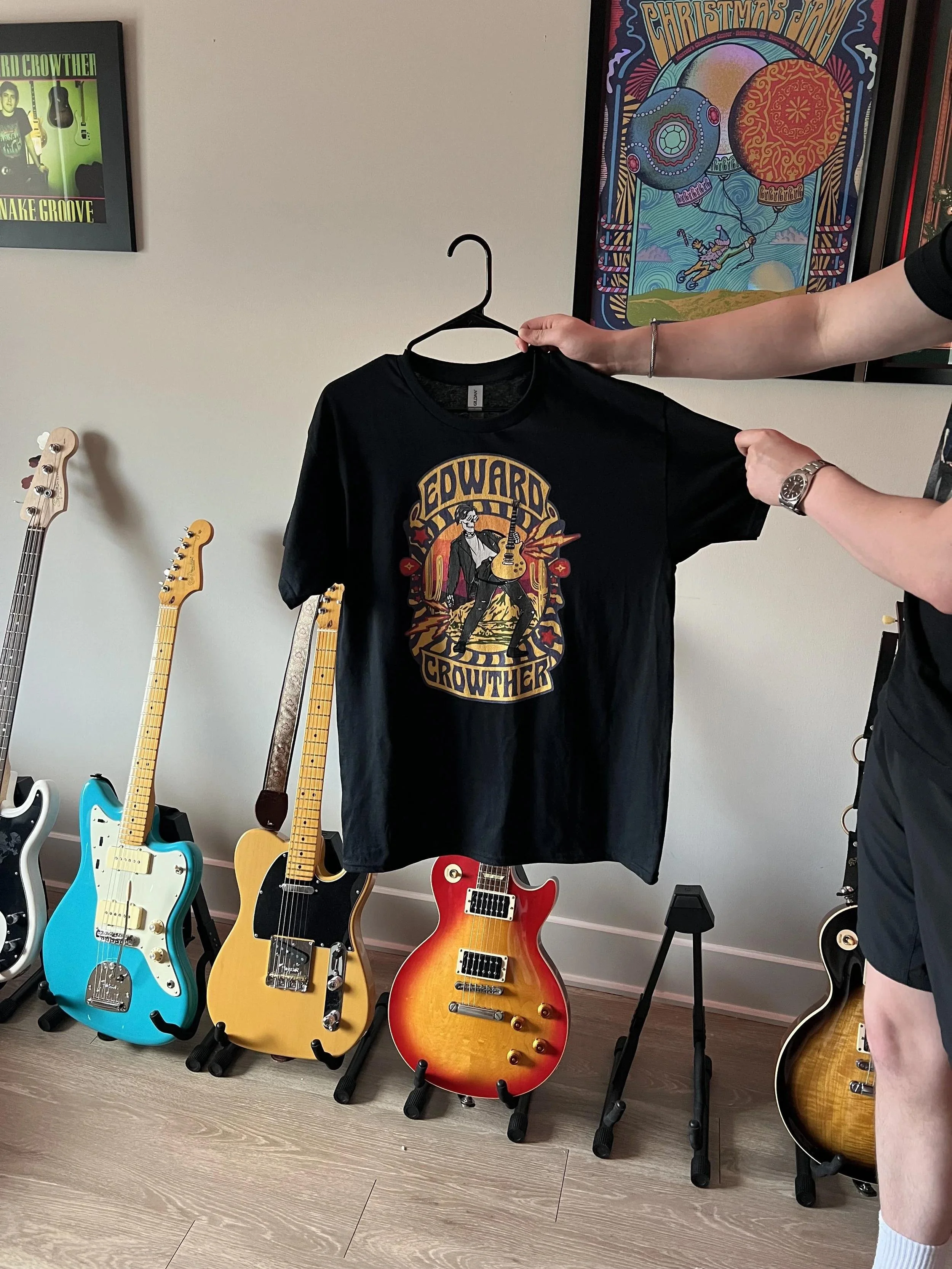
Behind every great merch table is a production strategy. C.C. Creations works with musicians, bands, creators, and concerts to turn creative concepts into finished apparel and branded products.
C.C. Creations specifically identifies concert merchandise, musicians, bands, artists and creators among the markets it serves. Its capabilities extend from screen printing and embroidery to graphic design, promotional products, e-commerce, kitting, drop shipping and fulfillment.
For musicians, that opens up an entirely different conversation.
What should you print?
How many should you order?
What's the right garment?
How does print quality affect perceived value?
When does embroidery make sense?
How do you fulfill online orders?
How do you scale when 50 shirts suddenly becomes 5,000?
And perhaps most importantly:
How do you create merchandise people actually want to wear—not simply something with your logo on it?
Clint will help take us behind the scenes of that process.
THINK BEYOND THE T-SHIRT
Dorothy's work with Aguasol Tequila takes the idea another step.
She helped develop a larger brand identity and then extended that visual language into event merchandise—including collectible bandanas and custom apparel.
That's a useful lesson for musicians.
Merch doesn't have to mean another black band tee.
Think:
Bandanas.
Hats.
Patches.
Totes.
Posters.
Limited editions.
Collectibles.
Artist collaborations.
Custom instruments.
VIP packages.
Products tied to songs or albums.
Items exclusive to your fan club.
Products people might want even if your name weren't printed across the front.
The Big Question: What Could YOUR Brand Become?
That's the conversation we want to have on September 14.
Not:
“Should I make merch?”
But:
“What can my artist brand become?”
Moderated by ATXM Executive Director Pat Buchta, our experts will explore the entire journey:
Bev Lambert brings the artist and fan perspective—and firsthand experience helping build the business behind one of country music's most recognizable artists.
Scott Friedeck, CEO of The Graphic Guitar Guys, demonstrates how one creative product idea can become a nationally recognized business.
Clint Avants of C.C. Creations brings the production, merchandise and scalability expertise.
Dorothy Nottingham of Baby Snakes Creative shows us how thoughtful design creates the visual foundation that makes the merchandise—and the larger brand—work.
Together, they help connect the dots:
ARTIST → STORY → BRAND → DESIGN → PRODUCT → FAN → REVENUE
Then Stay and Meet the People Behind the Ideas
Following the Master Class, join us from 5:15–7:00 PM at the Kozmetsky Center Oak Garden at the Carriage House for refreshments, live music and networking with our speakers, professional musicians, St. Edward’s students and members of Austin’s music community.
Bring your questions.
Bring your ideas.
Maybe even bring the merch you've been thinking about redesigning.
Because the next big opportunity for your music career might not start onstage.
It might start at your merch table.
🎟️ Reserve Your FREE Seat
Monday, September 14, 2026
Jones Auditorium | St. Edward’s University
3:00–5:00 PM | Doors 2:30 PM
Networking Reception 5:15–7:00 PM
FREE + Open to the Public | RSVP Required
Limited to 300 guests