
From the Merch Table to a Brand Ecosystem: What Bev and Miranda Lambert Built Together
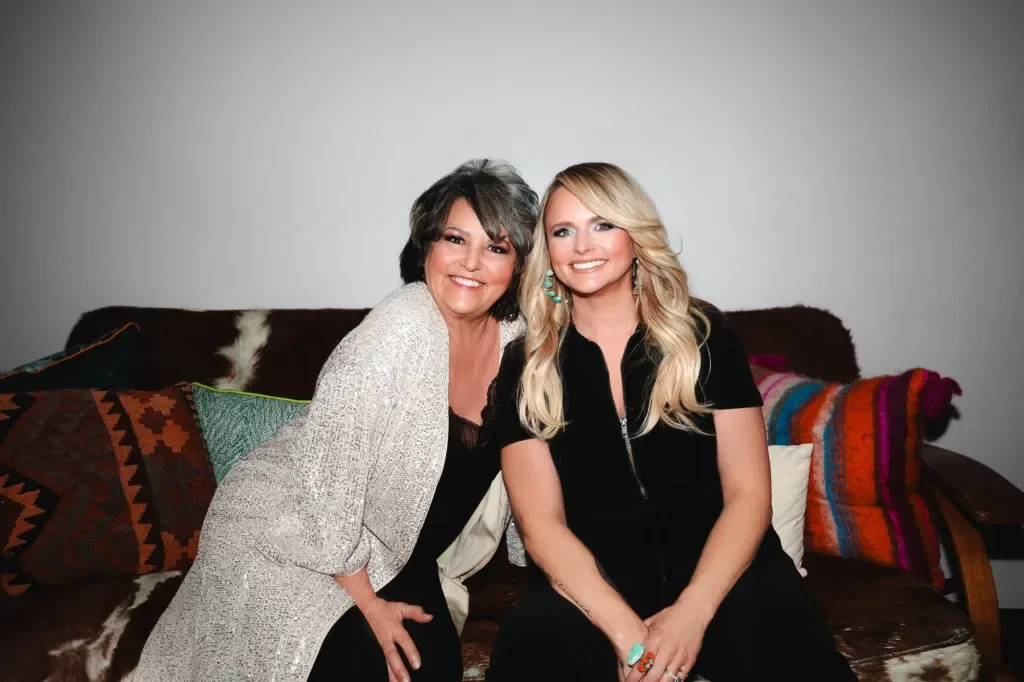
Photo courtesy: Tyler Conrad, Essential Broadcast Media.
Before the fashion lines, destination retail, hospitality ventures, and lifestyle brands, there was an artist, her family, a growing fan base—and a mother who understood that the relationship with those fans could become something much bigger.
When we talk about building an artist brand, it's easy to look at the finished product.
We see the successful artist. The merchandise. The fashion line. The retail store. The restaurant. The partnerships.
What we don't always see is how the foundation was built.
That is what makes Bev Lambert such a compelling special guest for Austin Texas Musicians' Sept. 14 Music Industry Master Class, Beyond the Stage: Build a Brand That Creates Revenue.
Bev is, of course, the mother of country superstar Miranda Lambert. But her role in Miranda's story extends far beyond that.
As Miranda's career began to grow, Bev became part of the hands-on business operation surrounding her daughter. She was involved in fan engagement, merchandise, retail and the growing community around Miranda's career, helping build some of the infrastructure that allowed an emerging Texas artist to develop into a nationally recognized artist brand.
And what grew from those beginnings provides an extraordinary case study for independent musicians.
It Started With the Fans
Before there was a lifestyle portfolio, there were Ran Fans.
Bev was directly involved with Miranda's fan community during the formative years of her career. Contemporary reporting shows Bev and her staff helping recognize highly engaged fans based not simply on their support for Miranda, but also on how they supported one another.
That's significant because it points to a fundamental principle behind successful artist brands:
Build the relationship before you try to monetize it.
Fans weren't simply customers. They were becoming a community.
Once that connection exists, merchandise takes on a different meaning. A shirt, hat or collectible isn't simply another product—it becomes a way for someone to identify with the artist and belong to the community surrounding them.
From Artist Merchandise to Artist Lifestyle
As Miranda's career grew, Bev and Miranda began translating Miranda's personality and aesthetic into physical products and experiences.
A pivotal example was The Pink Pistol.
Rather than creating a conventional celebrity merchandise store, Miranda and Bev curated products that reflected Miranda's personality, Texas roots, Western influences and sense of style. Reporting on the business specifically describes merchandise as being curated by the mother-daughter team.
That changed the question from:
"What can we put Miranda's name on?" to: "What belongs in Miranda's world?"
That's a much more powerful branding question.
And it's one independent musicians can ask themselves today.
Then the Store Became a Destination
The Pink Pistol eventually evolved beyond retail into an experience.
Its Lindale location combined branded merchandise with fashion, a nostalgic soda fountain and the Lambert family's Red 55 Winery and tasting room. Bev described Miranda's desire for an old-fashioned soda fountain that could feel both nostalgic and fresh.
Fans weren't just purchasing something associated with Miranda.
They could visit her hometown and step into an environment that reflected the brand.
That's the progression:
FAN → MERCHANDISE → BRAND → RETAIL → DESTINATION → EXPERIENCE
And Bev wasn't merely observing it. Reporting has identified Bev and her husband, Rick, as operators of the Lindale Pink Pistol, with other coverage identifying Bev as a co-owner of the Texas operation.
One Authentic Brand Opens Doors to Another.
The most interesting part of the Lambert story is what happened next.
The artist identity didn't remain confined to recordings, concerts and tour merchandise. Over time, Miranda's recognizable aesthetic, values and relationship with her audience created a foundation for expansion into multiple categories.
Idyllwind
Idyllwind, fueled by Miranda Lambert, took the Western style associated with Miranda into boots, apparel, and accessories.
This represents an important leap in artist branding.
Fans no longer had to purchase something that said "Miranda Lambert" to participate in the brand. They could purchase something inspired by her style.
That's the difference between artist merchandise and a true lifestyle brand.
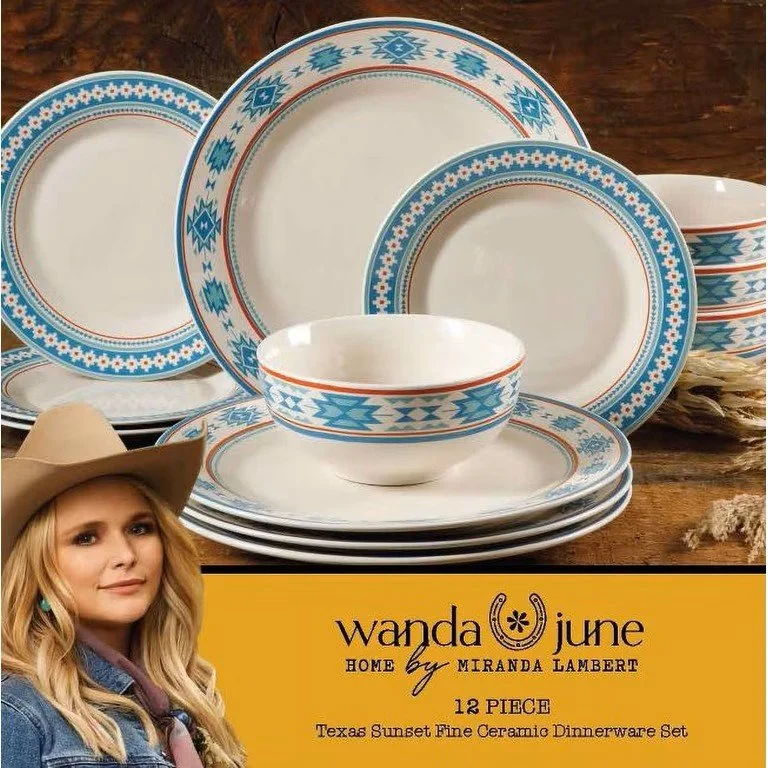
Wanda June Home
The brand moved from what fans could wear to how they could live with Wanda June Home, Miranda's home-goods collection available directly through Walmart.
And the name brings the family story directly into the brand: Wanda June honors Miranda's grandmother Wanda and her mother, Bev, whose middle name is June. The budget-friendly line features southern-inspired dinnerware, barware, rugs, and decorative pillows typically ranging from $15to $55.
That is another valuable lesson.
The strongest brand extensions often have a story behind them.
The product category may change, but the underlying identity remains authentic.
Red 55 Winery
The Lambert family also extended the brand into wine through Red 55 Winery.
Again, the lesson isn't that musicians should launch wineries.
It's that once an audience understands who an artist is, adjacent products and experiences can make sense when they authentically belong within that artist's world.
That world eventually expanded into hospitality with Casa Rosa.
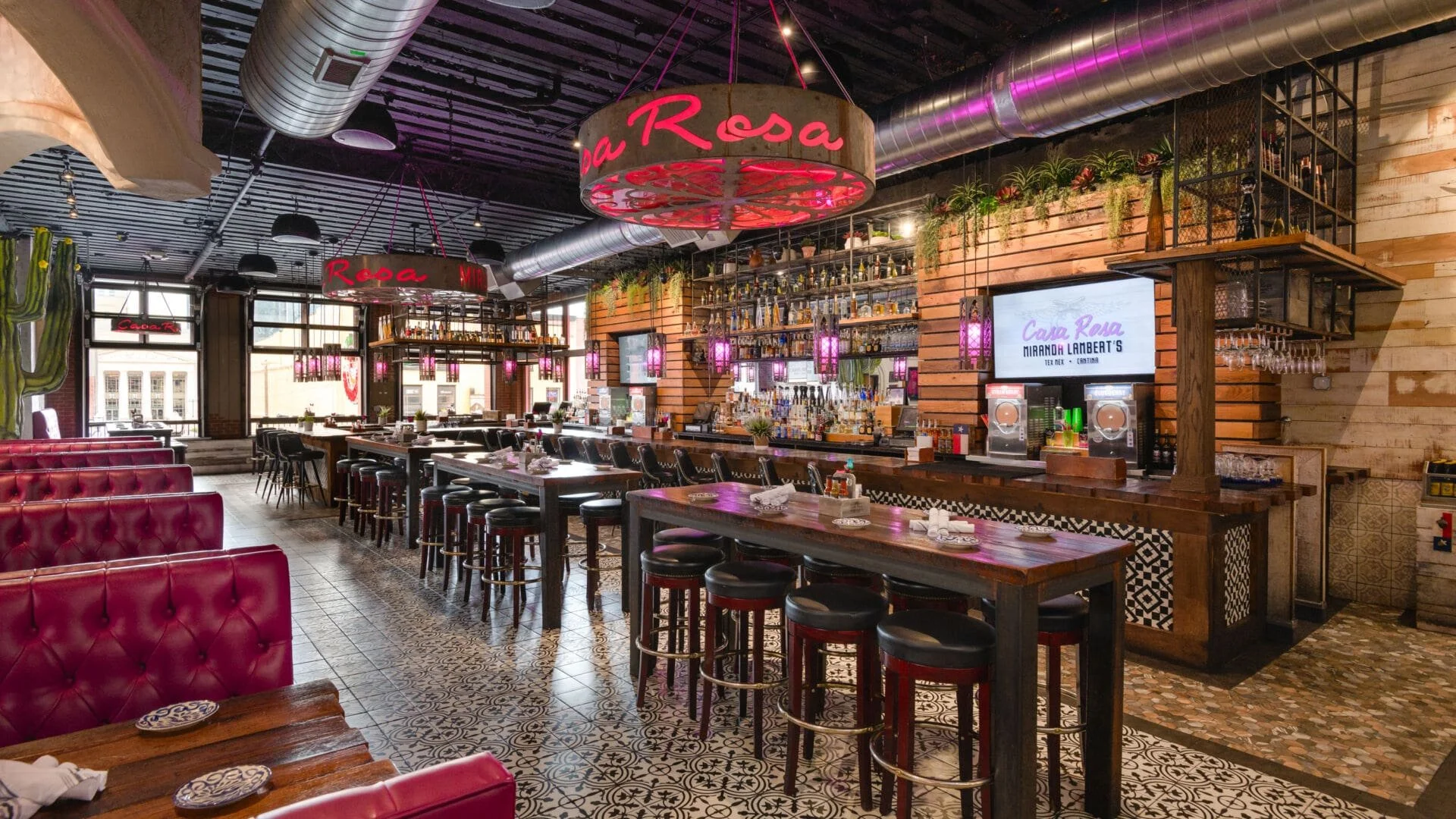
Casa Rose
Miranda's Nashville Tex-Mex restaurant, bar, and entertainment destination brings together multiple elements of her identity:
Texas. Music. Food. Design. Entertainment. Merchandise. Hospitality.
Instead of simply buying something from the brand, fans can spend an evening inside it.
The Artist Merchandise Business Never Went Away.
Meanwhile, Miranda's core direct-to-fan merchandise business continues through the official Miranda Lambert store.
That's worth emphasizing.
Building a larger brand doesn't necessarily mean abandoning the merch table.
You build outward from it.
The traditional merchandise remains one entry point into an increasingly diverse ecosystem of products and experiences.
From Building Her Own Career to Investing in Other Artists
Eventually, Miranda's business interests expanded beyond products bearing her own identity.
Big Loud Texas
Miranda founded Big Loud Texas with songwriter and producer Jon Randall in partnership with Big Loud Records.
That's an entirely different stage of the evolution.
The platform, credibility, relationships and knowledge accumulated through one artist's career can now help identify and develop the careers of other Texas artists.
The progression has moved from selling products to building businesses—and ultimately to investing in the larger music ecosystem.
And Some Brand Extensions Aren't About Revenue at All
Perhaps one of the most revealing examples of Bev and Miranda's partnership is MuttNation Foundation.
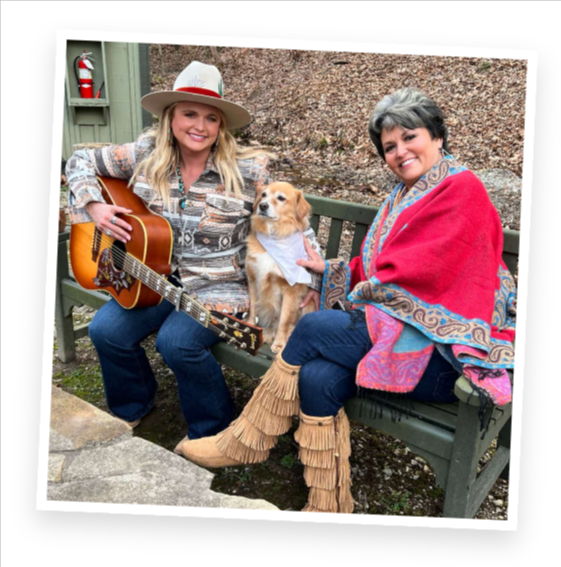
Mutt Nation
The mother and daughter co-founded MuttNation in 2009 around their shared commitment to animal welfare.
This wasn't an invented marketing cause. It grew from something genuinely important to Miranda and her family.
And that's an essential part of this story.
Your brand isn't just what you sell. It's what you stand for.
Purpose, philanthropy and community involvement can be as important to an artist's identity as visual design or merchandise—when they're authentic.
Look at What Grew From the Foundation
Step back and look at the ecosystem today:
Music + Touring
↓
Fan Community
↓
Official Merchandise
↓
The Pink Pistol — Destination Retail
↓
Red 55 — Wine
↓
Idyllwind — Fashion + Footwear
↓
Wanda June Home — Home + Lifestyle
↓
Casa Rosa — Hospitality + Entertainment
↓
Big Loud Texas — Artist Development + Record Business
↓
MuttNation — Mission + Philanthropy
Not every venture was created or owned by Bev and Miranda together, and several later businesses involve significant outside partners, licensing arrangements and other collaborators.
But collectively, they illustrate what can happen when an artist develops a clear, authentic identity and a deeply connected fan community—and learns how to extend that relationship thoughtfully into new opportunities.
What Did Bev Help Build?
That's the question we're especially interested in exploring Sept. 14.
Bev was there during the formative years.
She experienced the early fan relationships.
She worked around merchandise and retail.
She helped curate products.
She participated in creating a destination fans wanted to visit.
She co-founded MuttNation with Miranda.
And she watched the artist brand they were nurturing grow into something neither a merch table nor a traditional music-business model could contain.
Miranda was—and remains—the artist and creative force at the center of the brand.
But Bev brings something our audience rarely gets access to:
The perspective of someone who helped build the business infrastructure around an emerging artist while that artist's brand was still taking shape.
The Lesson for Working Musicians
Most musicians attending our Master Class aren't trying to build a national fashion line or open a restaurant on Broadway in Nashville.
They don't need to.
The lesson from Bev and Miranda's story is much more practical.
Start with:
Who are you?
Who are your fans?
Why do they connect with you?
What visual identity represents you?
What products would feel genuinely authentic coming from you?
What experiences could deepen that relationship?
What values do you stand for?
And what opportunities could grow naturally from all of the above?
Your first step might simply be creating a better piece of merchandise.
But that merchandise could lead to a collaboration.
The collaboration could become a product line.
The product could create a new revenue stream.
And the brand could eventually become something much bigger than you originally imagined.
That's why we're calling this Master Class Beyond the Stage.
Meet Bev Lambert Sept. 14
Bev joins Scott Friedeck, CEO of The Graphic Guitar Guys; Clint Avants of C.C. Creations; and Dorothy Nottingham of Baby Snakes Creative, with the conversation moderated by ATXM Executive Director Pat Buchta.
Together, we'll connect the dots between:
ARTIST → STORY → BRAND → DESIGN → PRODUCT → FAN → REVENUE
And we'll ask Bev the question every emerging artist in the room should want to hear answered:
Knowing what you know now, if you were helping an independent musician build a brand from the ground up today, where would you start?
ATXM Music Industry Master Class — Beyond the Stage: Build a Brand That Creates Revenue
📅 Monday, September 14, 2026
📍 Jones Auditorium | St. Edward's University
🚪 Doors: 2:30 PM
🎓 Master Class: 3:00–5:00 PM
🎶 Networking Reception: 5:15–7:00 PM
📍 Kozmetsky Center Oak Garden at the Carriage House
🎟️ FREE + Open to the Public | RSVP Required | Limited to 300
Because the merch table doesn't have to be the end of the business. It might be where the business begins.