

ATXM Takes the Fight Against Predatory Ticketing to the Texas Capitol
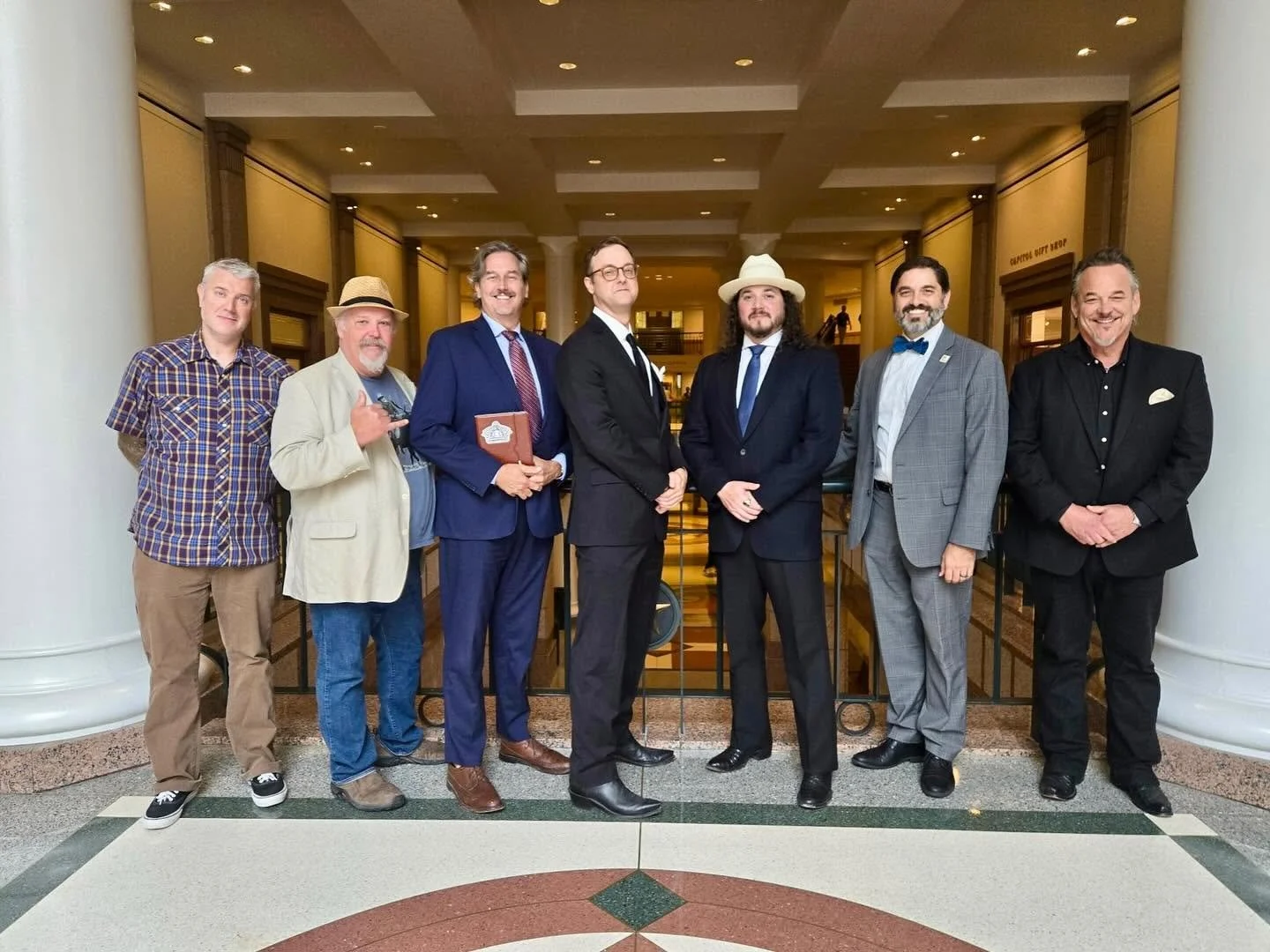
ATXM’s Pat Buchta and John Dismukes, “Moose'“, joined music industry colleagues at a Texas Senate hearing to advocate for the musicians, fans, venues and independent promoters who keep live music thriving.
Austin Texas Musicians brought the voices of working musicians to the Texas Capitol yesterday, September 30, as Executive Director and CEO, Pat Buchta testified alongside music industry colleagues about predatory ticketing practices and their impact on Texas’ live music community.
The Texas Senate Committee on Business and Commerce, chaired by Senator Charles Schwertner, heard testimony on improving ticket-price transparency, protecting consumers from deceptive practices and examining potential reforms in the secondary ticket market. The interim hearing gathered information to help shape future legislative recommendations.
For ATXM, the conversation is about protecting the people who make live music possible—and ensuring fans can afford to participate.
When Fans Pay More, Who Benefits?
Every live performance depends on a connected community: musicians creating and performing, venues providing the stage, independent promoters organizing the show, and fans showing up to support it.
When resellers acquire substantial ticket inventory and offer it at steep markups, fans can face prices far above the original cost of admission. Those additional resale profits generally do not increase compensation for the musicians, venues or promoters responsible for the performance.
That distinction matters. A more expensive resale ticket does not necessarily mean better pay for the artist or more resources for the venue. It can mean a fan spends more while the people producing the show receive no additional benefit.
ATXM’s concern is that these practices make live music less accessible while extracting value from an already fragile ecosystem.
Pat’s Message from the Capitol
Following the hearing, Pat shared this reflection on Facebook:
“It was an honor to testify before a Texas Senate Subcommittee today with my colleagues as we work to create legislation against predatory ticketing practices.
Artists, fans, venues and independent promoters make up a very delicate ecosystem that contributes approximately $31.7B annually to our state economy.
When ticket resale agents buy up all inventory and resell them to consumers at grossly inflated prices, NONE of this revenue goes back into the pockets of musicians, venues or promoters, often leaving our great state of Texas altogether.
As my brother Graham Williams put it today, this is modern day piracy.
Austin Texas Musicians will continue to defend musicians in every conversation, every room and every opportunity. As always, I am humbled to serve.”
Pat’s statement is reproduced as shared. The official hearing notice identifies the body as the Senate Committee on Business and Commerce. His concern about revenue centers on the additional resale profits, rather than proceeds from the original ticket purchase.
Protecting a $31.7 Billion Music Economy
Music is central to Texas’ cultural identity—and a substantial part of its economy.
A study produced by TXP for the Texas Music Office estimated that music supported approximately $31.7 billion in annual economic activity and nearly 196,000 permanent jobs in 2024. That impact includes music businesses, music education, music-related tourism and the economic activity they generate across other industries.
Behind those numbers are working musicians, sound engineers, venue staff, educators, promoters and countless other Texans whose livelihoods depend on a healthy music community.
Protecting fair access to live performances helps support that community. Fans deserve clear information about what they are buying, what they will pay and whether their tickets will be delivered. Musicians and independent businesses deserve a marketplace that supports the work and investment required to put on a show.
What Comes Next?
According to reporting on the hearing, lawmakers heard discussion about stronger protections against automated ticket-buying bots, misleading sales tactics, unclear fees and “ghost ticketing”—the sale of tickets a seller does not possess or have a contractual right to obtain. No legislative vote was taken at the hearing.
ATXM will continue bringing working musicians’ perspectives into these policy conversations as potential reforms develop.
Advocacy means showing up wherever decisions affect musicians’ ability to earn a living. Yesterday, that meant the Texas Capitol.
As Pat wrote: “Austin Texas Musicians will continue to defend musicians in every conversation, every room and every opportunity.”