

When Ticket Resellers Profit, Texas Music Pays the Price
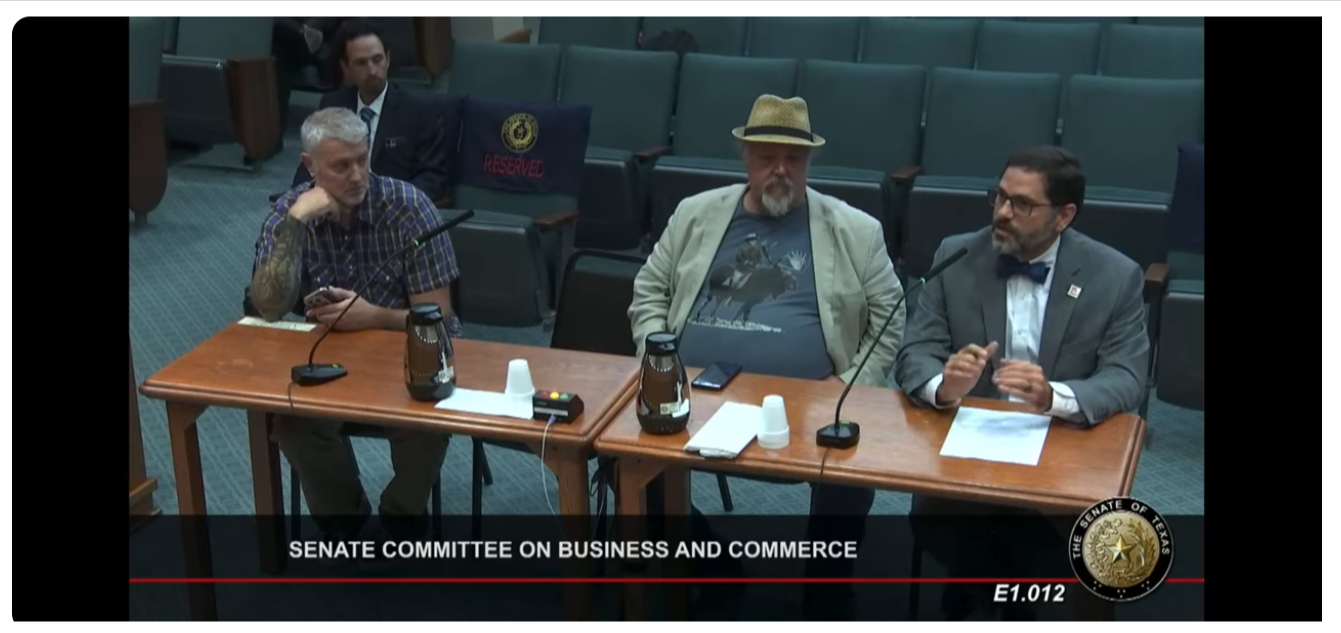
John “Moose” Dismukes of Austin Texas Musicians and Graham Williams of Resound Presents discuss how inflated resale prices, misleading websites, and ticket scalping hurt fans and drain dollars from Texas’ music economy.
Austin Texas Musicians joins the call for ticket transparency and stronger protections for fans, artists, and venues.
A fan searches for a concert, clicks what looks like the venue’s ticket page, and finds a price far above face value. Is the show sold out? Is this the official seller? Where does that extra money go?
Those questions were central to a Texas legislative hearing where Austin Texas Musicians Vice President John “Moose” Dismukes and Resound Presents’ Graham Williams described how secondary-market ticketing practices affect fans and the local music economy.
Their message: the consequences reach well beyond the price of admission.
Higher Ticket Prices Leave Less for Local Music
Dismukes, an Austin music manager and ATXM board member, spoke about the pressure inflated ticket prices place on household entertainment budgets.
When fans spend more to attend one concert, they have less available for other shows, artist merchandise, and the independent musicians performing throughout their community.
“When they spend all that money on those concerts, they’re not spending money locally for us,” Dismukes told the committee.
He also emphasized the importance of merchandise revenue to the artists he represents. A costly ticket purchase can leave fans with less to spend directly supporting an artist once they arrive.
For Austin’s working musicians, that lost spending matters.
A Resale Markup Doesn’t Necessarily Support the Show
Williams, whose company Resound Presents promotes concerts across Texas, described finding secondary-market listings for $25 and $30 shows at substantially higher prices.
In one example, he said a ticket with a $30 face value was listed for $4,860.
That was a listing price—not a confirmed sale—but it illustrates the extreme markups he described to lawmakers.
Williams emphasized that the additional dollars charged by resellers do not flow back to the artists, promoters, or venues producing the event. Higher ticket costs can also reduce what visitors spend at nearby restaurants, bars, and hotels.
The concern is bigger than one expensive night out. It is the loss of dollars that could otherwise circulate through Texas’ live music economy.
Finding the Official Ticket Seller Should Be Easier
Both witnesses described how difficult it can be for consumers to distinguish an authorized ticket seller from a resale site.
Dismukes recounted searching for tickets to a Long Center event and discovering that he had reached a third-party ticketing page. Williams described a website that resembled an official ACL Live venue page but directed visitors through unofficial ticket links.
For someone simply trying to attend a show, those distinctions can be easy to miss.
Fans deserve to know who is selling their ticket, what its original price was, and what they will pay before completing a purchase.
What Stronger Protections Could Address
The hearing discussion explored several approaches to improving ticket transparency and accountability, including:
Clear disclosure of a ticket’s original face value and total purchase price.
Limits on resale markups.
Better tracking of ticket transfers.
Measures to address bots, fraudulent tickets, and misleading websites.
These were ideas discussed during testimony, rather than an announcement of new Texas requirements.
The goal is straightforward: help fans make informed purchases while protecting the artists, venues, and businesses that bring live music to our communities.
Supporting Fans Supports Musicians
At Austin Texas Musicians, our advocacy connects the needs of working musicians with the health of the community around them.
An accessible, trustworthy ticket-buying experience helps fans attend more shows, discover local artists, purchase merchandise, and return to the venues they love.
When the cost of seeing live music rises because of excessive resale markups or deceptive practices, the entire community feels the impact.
We appreciate the committee’s attention to this issue and the opportunity to bring working musicians’ perspectives into the conversation.
Watch the Testimony
Support advocacy, education, and economic opportunity for Central Texas musicians!